
What Is Airway Orthodontics?
Airway orthodontics is a modern, health-centered approach to orthodontic care that looks beyond straight teeth. It focuses on how the structure of the mouth, jaws, and face affects breathing—especially during sleep. When the airway is restricted, the body often compensates in ways that can impact sleep quality, energy levels, and long-term health.
At Family Orthodontics of Jupiter, airway orthodontics is about identifying and addressing the root causes of breathing issues, not just the visible symptoms. By guiding proper jaw development and improving oral structure, we help create the conditions for healthier breathing, better sleep, and improved overall wellness.

Get in Touch
Send us a message with your question or request, and we’ll get back to you as soon as we can.

Why Breathing Matters More Than You Think
Breathing is automatic, but how you breathe matters. Nasal breathing supports proper oxygen exchange, filters air, and helps regulate the nervous system. Mouth breathing, on the other hand, can disrupt this balance and lead to a cascade of issues over time.
When the jaws are too narrow or underdeveloped, the airway can become restricted. This may contribute to snoring, restless sleep, and in some cases, obstructive sleep apnea. In children, poor breathing patterns can influence facial growth, behavior, and even academic performance. In adults, it often shows up as fatigue, brain fog, and reduced recovery.
Airway orthodontics focuses on creating space where it’s needed—so the body can function the way it was designed to.


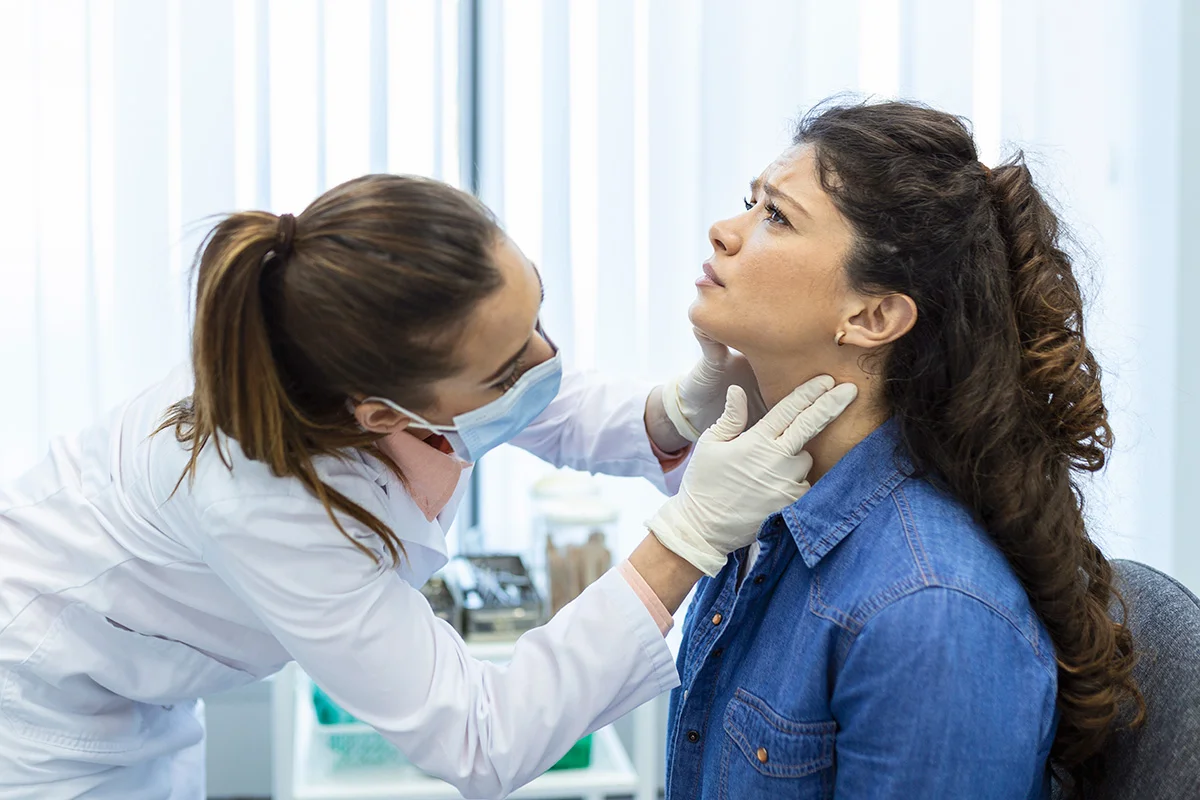
The Connection Between Jaw Development and Airway Health
The upper jaw (maxilla) and lower jaw (mandible) play a central role in how well you breathe. When these structures are too narrow or positioned too far back, they can crowd the tongue and reduce the size of the airway.
A high, narrow palate often limits nasal airflow. A recessed lower jaw can allow the tongue to fall backward during sleep, further restricting breathing. These structural patterns are common and often develop early in life, sometimes without obvious signs.
By guiding jaw growth and improving alignment, airway orthodontics helps expand the space available for the tongue and airway. This creates a more stable, functional foundation for breathing—both day and night.

Signs You or Your Child May Benefit
Many people are unaware that their symptoms may be linked to airway issues. Some signs are subtle, while others are more noticeable.
In children, common indicators include mouth breathing, snoring, restless sleep, bedwetting, difficulty focusing, and dark circles under the eyes. Crowded teeth or narrow dental arches can also be early clues.
In adults, symptoms may include chronic fatigue, morning headaches, snoring, teeth grinding, dry mouth upon waking, and difficulty staying asleep. Some patients have been diagnosed with sleep apnea, while others simply know they don’t feel fully rested.
Even without a formal diagnosis, these patterns can point to an underlying structural issue that airway orthodontics is designed to address.

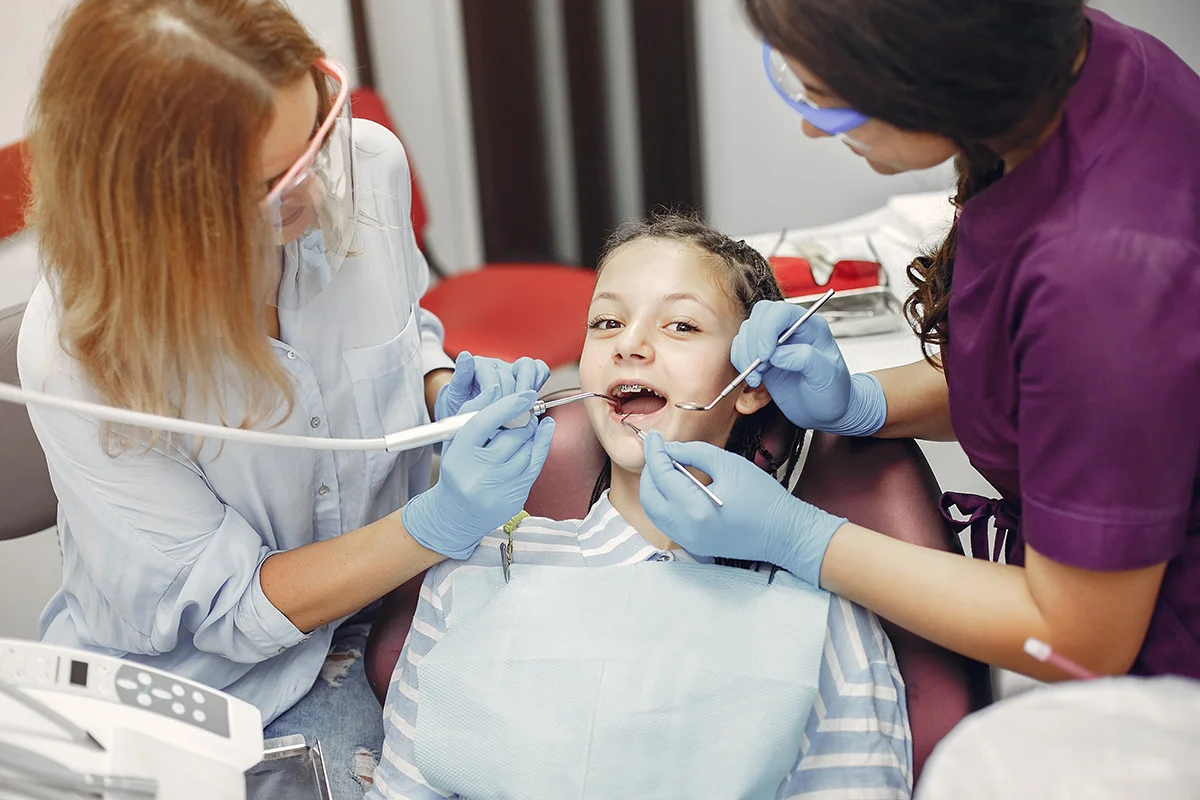
Early Treatment for Children
The earlier airway concerns are identified, the more effectively they can be addressed. In young children, the bones of the face and jaws are still developing, making it an ideal time to guide growth in a positive direction.
One of the most common approaches is palatal expansion. This technique gently widens the upper jaw, increasing space in the mouth and improving nasal airflow. It also creates more room for permanent teeth to erupt naturally, often reducing the need for extractions later.
Early treatment is not just about preventing future orthodontic problems. It’s about supporting proper breathing, better sleep, and healthier development during critical growth years.
Airway Orthodontics for Teens and Adults
While early intervention offers unique advantages, airway orthodontics is not limited to children. Teens and adults can also benefit from treatment designed to improve airway function.
In older patients, the bones are more developed, so treatment may involve advanced appliances or a combination of orthodontics and other therapies. Options may include specialized expanders, clear aligners, or devices that reposition the jaw to improve airflow.
In some cases, treatment is coordinated with other healthcare providers to achieve the best outcome. The goal remains the same: to create more space, improve breathing, and enhance overall quality of life.

Benefits Beyond Straight Teeth
While a straighter smile is often part of the outcome, the benefits of airway orthodontics extend much further.
Patients often report better sleep quality, increased energy, and improved focus. Children may show gains in behavior and attention, while adults frequently notice reduced snoring and more restorative rest.
There are also structural and aesthetic benefits. Proper jaw development supports balanced facial growth, which can enhance both function and appearance. Instead of forcing teeth into limited space, airway orthodontics works with the body to create the space naturally.

What to Expect at Your Evaluation
Your first visit is designed to be informative and comprehensive. Dr. West takes the time to understand your symptoms, health history, and concerns. This includes evaluating facial structure, dental alignment, and signs that may point to airway restriction.
Advanced imaging and diagnostic tools may be used to get a clearer picture of how the jaws and airway are functioning. From there, we develop a personalized plan that aligns with your needs and goals.
Every patient is different, and airway orthodontics is not a one-size-fits-all solution. The focus is always on creating meaningful, measurable improvements in both structure and function.
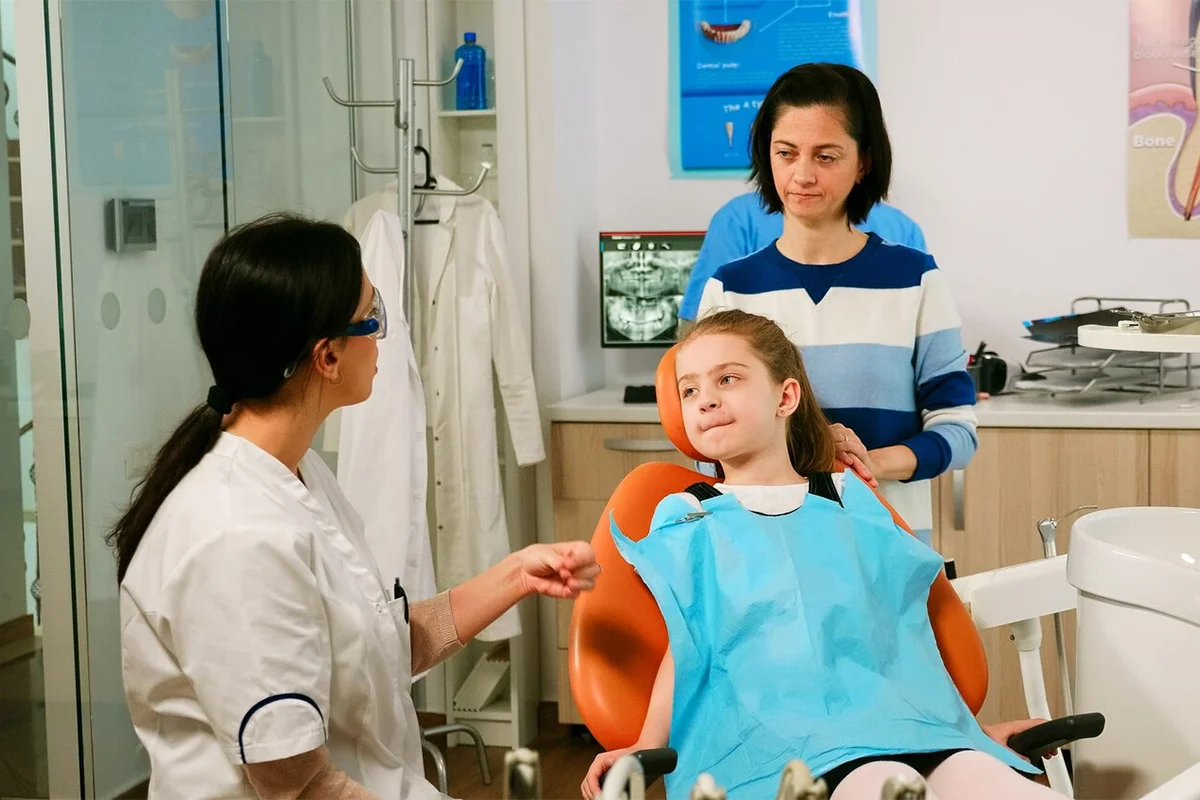
A Different Kind of Orthodontic Care
Airway orthodontics represents a shift in how we think about orthodontic treatment. It’s not just about how your smile looks—it’s about how your body works.
At Family Orthodontics of Jupiter, this approach reflects a commitment to treating the whole patient. By addressing the underlying structures that influence breathing, sleep, and development, we aim to deliver results that go far beyond aesthetics.
If you’ve ever wondered whether your sleep, energy, or breathing could be improved, airway orthodontics may provide answers—and solutions—you didn’t know were possible.
Common Symptoms that Airway Orthodontics May Be Necessary
Children
- Mouth breathing during the day or while sleeping.
- Loud snoring, noisy breathing, or gasping during sleep.
- Restless sleep, frequent waking, or trouble staying asleep.
- Chronic fatigue, irritability, or seeming “tired but wired.”
- Dark circles under the eyes or a generally tired appearance.
- Trouble focusing, short attention span, or behavior concerns that may be linked to poor sleep.
- Bedwetting beyond the age when it would typically be expected.
- Difficulty chewing, swallowing, or keeping the lips closed at rest.
- A narrow smile, crowded baby teeth, or early signs of tooth crowding.
- A high, narrow palate or a jaw that seems small for the face.
- Frequent allergies, chronic congestion, or difficulty breathing through the nose.
- Forward head posture or an open-mouth posture at rest.
- Speech concerns that may go along with low tongue posture or poor oral muscle function.


Teens
- Ongoing mouth breathing, especially during sleep or exercise.
- Snoring, noisy sleep, or signs of disturbed breathing at night.
- Daytime sleepiness, low energy, or difficulty waking up refreshed.
- Brain fog, trouble concentrating, or slipping school performance.
- Teeth grinding, jaw tension, or frequent headaches.
- Crowded teeth, narrow arches, or bite problems that seem to be getting worse.
- Recessed jaw appearance, especially if the lower jaw looks small or set back.
- Difficulty keeping the tongue on the roof of the mouth at rest.
- Chronic dry mouth or waking with a dry throat.
- Poor sleep quality even when enough hours are spent in bed.
- Mouth-open posture, especially when relaxed.
- Signs of airway-related growth patterns, such as a long, narrow face.
Adults
- Loud snoring or a partner noticing pauses in breathing during sleep.
- Waking up gasping, choking, or feeling like breathing stopped.
- Feeling unrefreshed after a full night of sleep.
- Chronic fatigue, low stamina, or afternoon crashes.
- Morning headaches or frequent tension in the jaw, face, or neck.
- Teeth grinding, clenching, or wear on the teeth.
- Dry mouth on waking or needing to drink water overnight.
- Nasal breathing difficulty, chronic congestion, or habitually breathing through the mouth.
- TMJ discomfort, jaw clicking, or facial soreness.
- Brain fog, poor focus, or reduced productivity.
- Restless sleep, frequent waking, or insomnia that may be tied to breathing issues.
- Recessed jaw, narrow palate, or crowding that suggests limited oral space.
- Diagnosed or suspected sleep apnea.
- Feeling better when sleeping upright, on your side, or with extra pillows.
- A history of orthodontic relapse, expansion concerns, or unresolved bite issues.

Frequently Asked Questions

What is airway orthodontics?
Airway orthodontics focuses on how the teeth, jaw, and facial development affect breathing. Instead of only straightening teeth, this approach looks at whether a child’s airway is properly developing to support healthy breathing, especially during sleep. At Family Orthodontics of Jupiter, airway orthodontics is used to identify early signs of restricted airflow and guide growth in a way that supports both a healthy smile and proper breathing.
Can orthodontics help with my child's sleep problems?
Yes, in many cases orthodontic treatment can help improve sleep-related issues in children. If a child’s jaw is narrow or not developing properly, it can impact airflow and lead to symptoms like mouth breathing, snoring, restless sleep, or daytime fatigue. Early orthodontic evaluation allows us to identify these concerns and recommend treatment that may help improve breathing and sleep quality.
Is airway orthodontics the same as sleep apnea treatment?
No, airway orthodontics is not the same as medical treatment for sleep apnea. However, it can play an important role in early intervention. Airway orthodontics focuses on guiding proper jaw and facial development to support better breathing, which may reduce the risk of sleep-disordered breathing over time. If sleep apnea is suspected, we work alongside medical professionals to ensure comprehensive care.
What types of braces does Family Orthodontics of Jupiter offer?
Family Orthodontics of Jupiter offers a range of braces options to fit different needs and preferences, including traditional metal braces, clear ceramic braces, and Invisalign clear aligners. Each option is designed to effectively straighten teeth while considering comfort, aesthetics, and lifestyle.

Start Your Journey And Become Part of the Family
From the moment you step into our office you become part of our family. A warm welcome, personalised guidance and decades of trusted expertise awaits you.